Real animal facts
Reef Fish
are tiny showoffs.
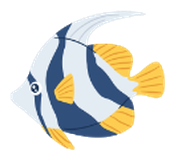
The Rainbow Fins' real-life cousins make the reef the most colorful place on Earth, and they're hiding stories that would not fly on land.
The Rainbow Fins' real-life cousins make the reef the most colorful place on Earth, and they're hiding stories that would not fly on land.
All real. All wonderfully weird.
Coral reefs are home to over 4,000 species of fish, about a quarter of all marine fish on the planet, even though reefs cover less than 1% of the ocean floor. It is, by far, the densest, busiest neighborhood under the sea.
Many reef fish see ultraviolet light that humans can't. Their bright colors look even more vivid to each other than they do to us. The reef is secretly more colorful than we'll ever see.
Clownfish are born male. The biggest fish in a clownfish group becomes the female. Wrasses can do the opposite. Reef fish do not abide by the same rules you might've learned in school.
Parrotfish bite chunks off coral, digest the algae inside, and poop out the rest as pure white sand. Estimates range from hundreds to nearly a thousand pounds of sand a year for a single large parrotfish. Your favorite tropical beach? Probably part parrotfish poop.
Cleaner wrasses set up "cleaning stations" where bigger fish line up to have parasites picked off. The cleaners don't get eaten, even by sharks, because everyone benefits from the service.
The electric ray (yes, there are reef rays) can deliver shocks to stun small prey. Some moray eels can tie themselves in knots to brace against rocks while they yank food loose. Reef life is full of ridiculous problem-solvers.
Many reef fish change color in seconds to signal mood, warn off rivals, or attract a mate. Some species have "team colors" they flash to coordinate group hunts.
Clownfish live unharmed inside stinging anemones because a special mucus on their skin keeps the anemone from firing. In exchange, the clownfish chases off anemone predators. Real estate by mutual aid.
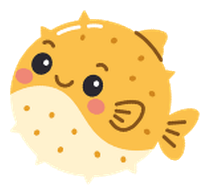
When threatened, pufferfish swallow water to triple in size, and their skin and organs contain tetrodotoxin, a poison 1,200 times stronger than cyanide. They don't bluff.
A healthy reef is loud: crackling shrimp, grunting fish, scraping parrotfish teeth. Baby fish actually hear their way home to the reef from the open ocean. A dying reef goes quiet, and the next generation can't find it.
No reef, no reef fish.
When coral dies, the algae that fed it dies too. Reef fish lose food, shelter, breeding sites, and the sounds they navigate by, often within months.
Some reef fish are popular for food (grouper, snapper) or aquariums (tangs, clownfish). Many populations have collapsed in the last 30 years.
Reef fish mistake microplastics for plankton. Plastic ends up in their guts, in their tissue, and eventually in the bigger fish (and people) that eat them.
Ingredients like oxybenzone and octinoxate wash off swimmers and accumulate on reefs. They damage coral (which the fish need for shelter and food) and disrupt fish development. Hawaii and Palau have banned them. Choose non-nano mineral sunscreens instead.
Many reef fish can only tolerate a narrow temperature range. As oceans heat up, their habitat shrinks and breeding patterns get scrambled.
Easier than you'd think.
Many tropical "saltwater" aquarium fish are caught wild from reefs, sometimes with cyanide. If you want fish at home, choose freshwater fish or captive-bred species.
Ask grown-ups to avoid reef species like grouper, snapper, and parrotfish when possible. Use the Seafood Watch app to find better choices.
Every plastic bottle that doesn't reach the ocean is one less meal of microplastic for a baby reef fish. Tiny choices, real outcome.
When you visit a reef, don't chase, touch, or feed the fish. They are doing important fish things. Watch like you'd watch a really good movie.
The school of fish that lives in Octopirate's reef, and frankly holds the place together.
🐙 Next: Meet the octopuses → 🐙 Pre-order Octopirate Save the Reef →